Polymer vs. Metal Magazines: What Actually Holds Up
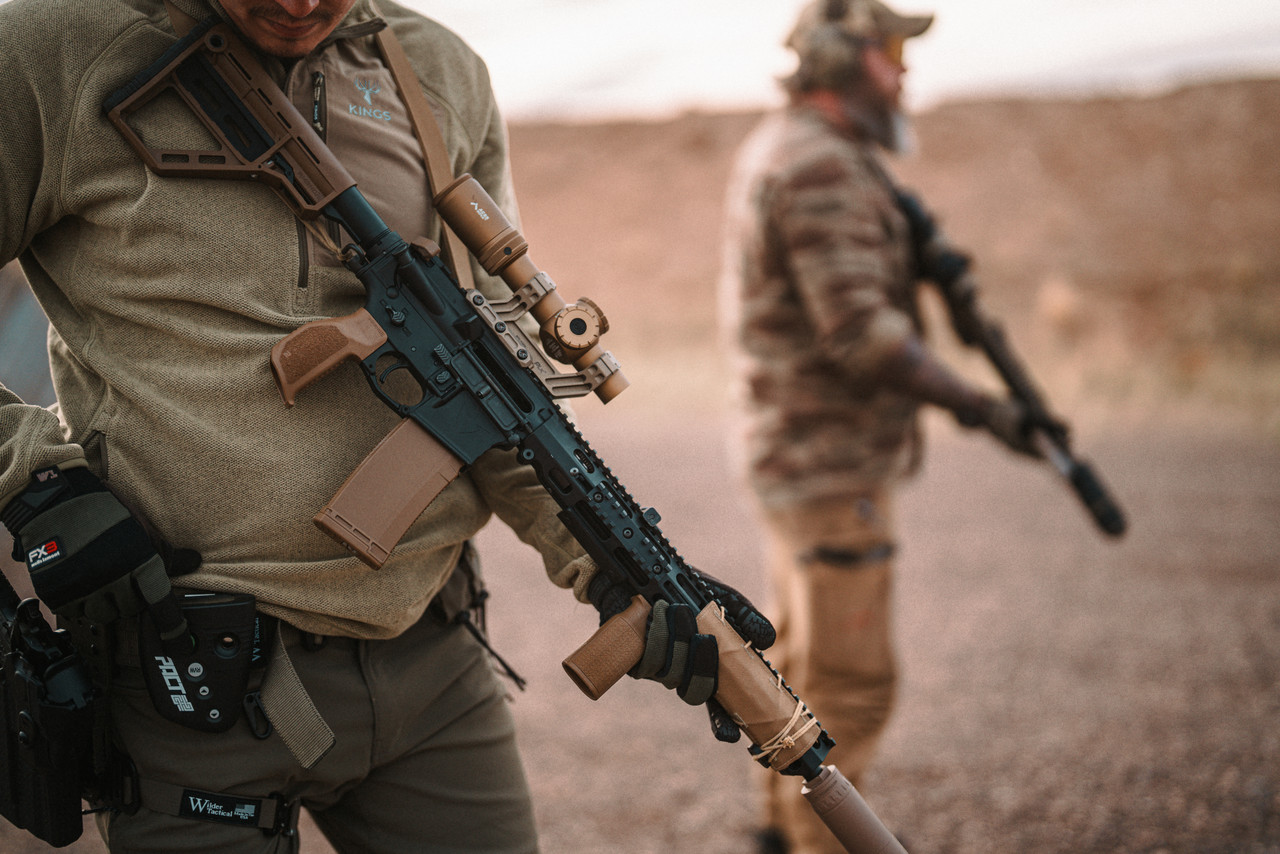
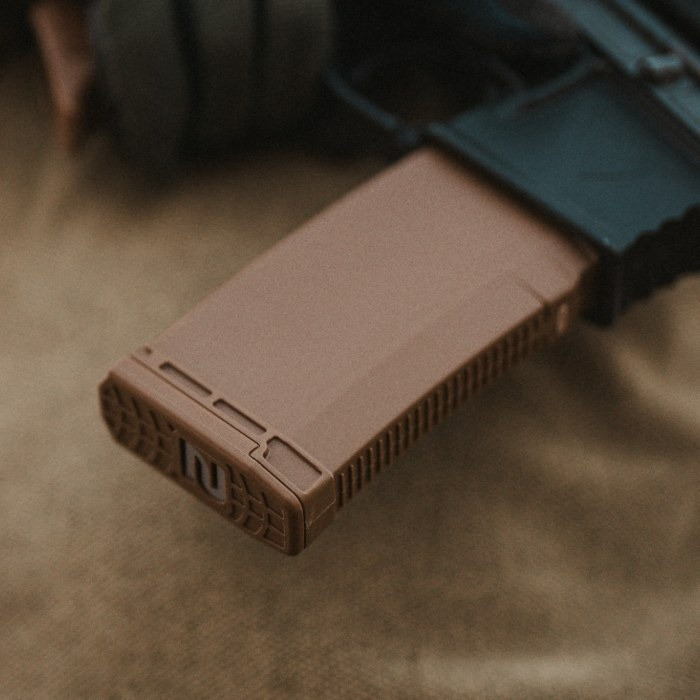
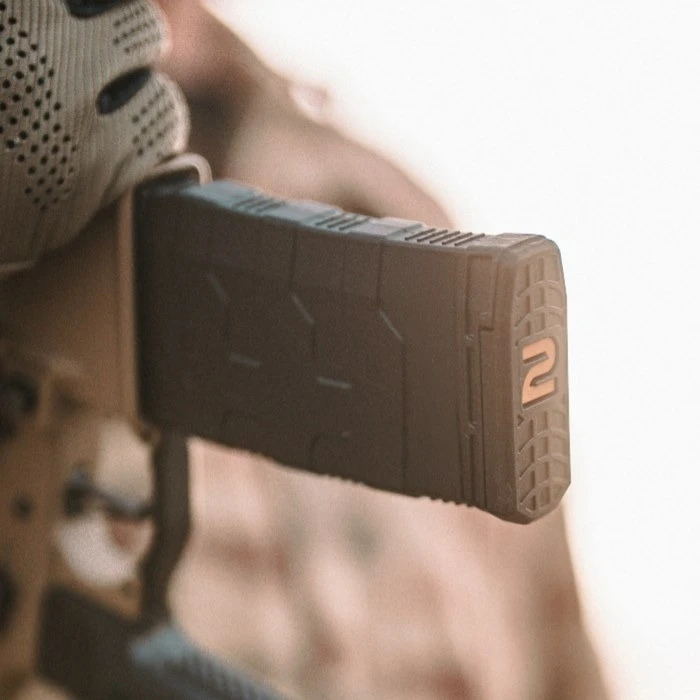
Every few months the same argument reignites in comment sections and gun counter conversations: polymer or metal, which magazine should actually be riding in your rifle. The honest answer is that the argument isn't as close as it used to be. Modern glass-filled polymer has closed almost every gap that used to favor steel and aluminum, and in the categories that matter most for reliability, it's pulled ahead. Here's the breakdown, material by material, so you can see why we build Amend2 magazines the way we do.
The Real Difference Between Polymer and Metal Magazines
Metal magazines, whether stamped steel or machined aluminum, are built by forming sheet or extruded metal into a shell and welding or crimping it closed. That process is fast and cheap at scale, but every weld seam and every stamped edge is a place where tolerances drift from one magazine to the next. Polymer magazines are injection molded as a single piece, in one cavity, to one set of dimensions, every time. That single fact is responsible for most of the advantages below.
Weight: Carry More, Fatigue Less
A loaded steel AR-15 magazine runs noticeably heavier than its polymer equivalent, and that difference multiplies fast once you're carrying six or eight of them on a belt or in a chest rig. Polymer construction cuts dead weight without touching wall thickness where it counts, which means more ammunition on your body for the same total load. For a duty belt, a range bag, or a long day of training, that adds up to real fatigue saved.
Corrosion: The Problem Metal Never Solved
Steel rusts. That's not a knock, it's just chemistry, and no amount of parkerizing, nickel boron, or stainless alloy fully removes the risk once a magazine gets left in a damp range bag or a truck bed overnight. Rust doesn't stay on the surface either — it works into the spring coils first, since each compression cycle scrapes the corroded contact points and slowly eats away spring tension until the magazine starts short-stroking or failing to lock the bolt back. Polymer bodies never rust, full stop. The spring inside still needs basic care, but the housing that protects it isn't fighting a losing battle against moisture from the day it's manufactured.
Feed Reliability: Precision Molding vs. Stamped Metal
Reliable feeding comes down to consistent geometry: the feed lips have to present every round at the same angle, every time, regardless of how many times the magazine has been loaded and unloaded. Stamped metal feed lips can bend under rough handling and rarely spring back to spec. Molded polymer feed lips are shaped once, as part of the same piece as the body, and hold that geometry cycle after cycle. That's why precision-molded magazines tend to feed hollow points, steel-cased ammunition, and mixed-diet range ammo with fewer hiccups than a bent or worn set of stamped lips.
MOD-C: Polycarbonate You Can See Through
One more material advancement worth a mention: our MOD-C is molded in translucent polycarbonate instead of standard glass-filled nylon, so the body itself doubles as a round count window — no witness holes, no guessing, just a clear view of what is left.
Impact and Drop Resistance
This is the one place metal still gets credit it doesn't fully deserve. Steel resists punctures, but it dents, and once a steel magazine body is dented, it's staying that way — there's no flexing back to true, and a dent along the feed path is a permanent reliability problem. Quality glass-filled polymer is engineered to flex on impact and return to its original shape, which is why you'll see it taking hits on a concrete range floor without the lasting damage a metal body would show. Reinforced feed lips and impact-rated polymer blends have closed the durability gap that used to be metal's main selling point.
Cold Weather and UV: Addressing the Myths
The old complaint against polymer was that it goes brittle in the cold and degrades in sunlight. Both concerns are real for cheap, unstabilized plastic, and neither one applies to a magazine built from UV-stabilized, glass-reinforced nylon designed specifically for outdoor and duty use. The material is formulated to hold its impact resistance well below freezing and to resist the surface cracking that unprotected polymers develop after months of UV exposure. Left in the sun for years with zero maintenance, any magazine will degrade eventually — but that's a maintenance question, not a reason to default back to a material that rusts from day one.
Cost Per Magazine Over Time
Polymer magazines are almost always the lower sticker price up front, and that gap holds up over the life of the product. A steel magazine that's rusted through or dented at the feed lips gets replaced, and the maintenance required to prevent that in the first place — oiling, drying, periodic inspection — is time you're not spending anywhere else. Polymer asks for less upkeep and costs less to replace if you ever need to, which is the kind of math that matters when you're stocking a full battery of magazines instead of just one or two.
The Verdict: Why We Build in Polymer
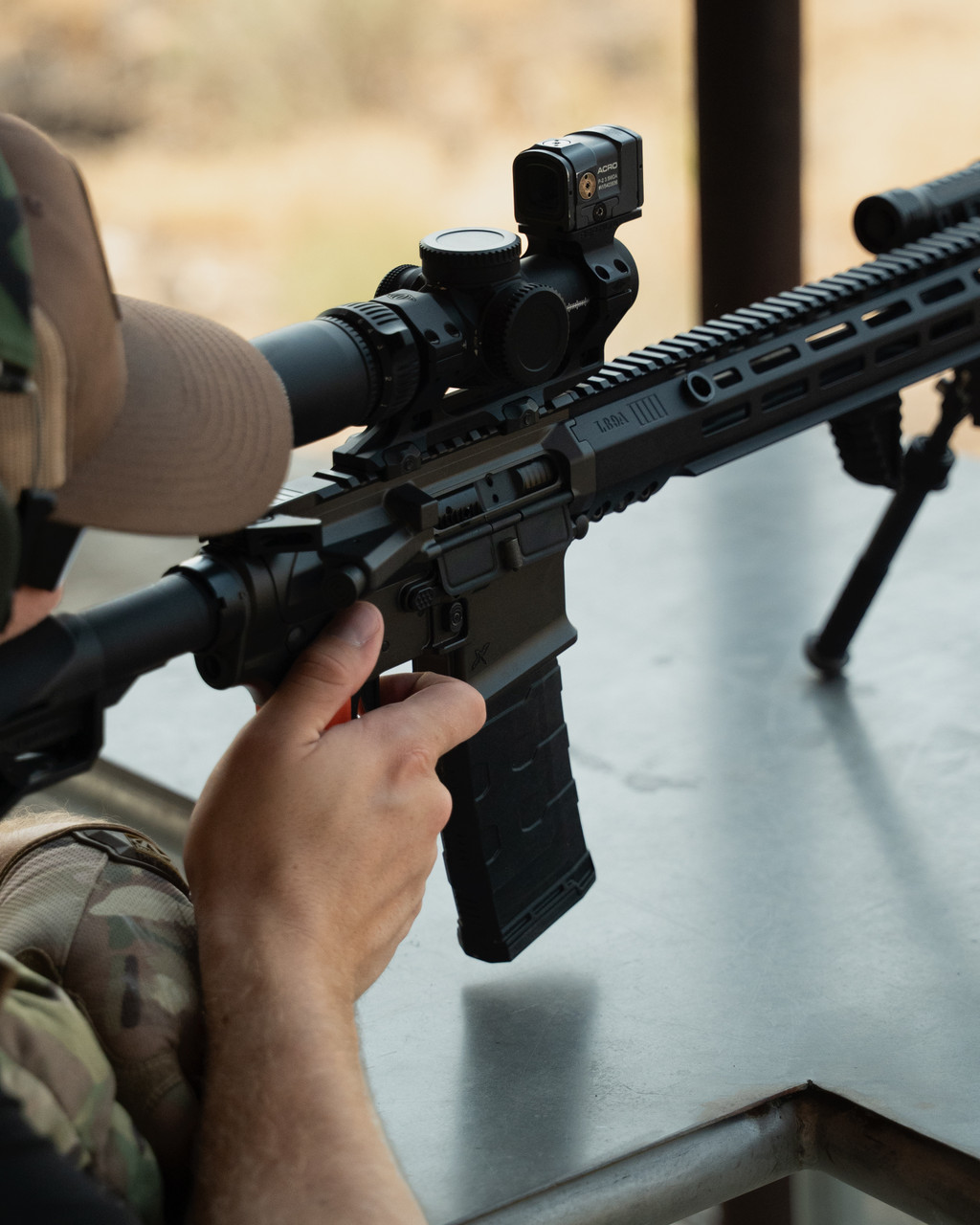
Metal magazines aren't obsolete, and a well-maintained steel magazine will still run for a long service life. But for the categories that decide whether a magazine works when you need it — consistent feed geometry, corrosion resistance, weight, and cost of ownership — precision-molded polymer wins on merit, not just marketing. That's the whole reason Amend2 builds every magazine in glass-filled, UV-stabilized polymer instead of stamped metal: it's the material that holds up the way a magazine is supposed to.
Shop Amend2 Polymer Magazines
Every model below is precision-molded for a different mission. Pick your platform and shop the full lineup.